
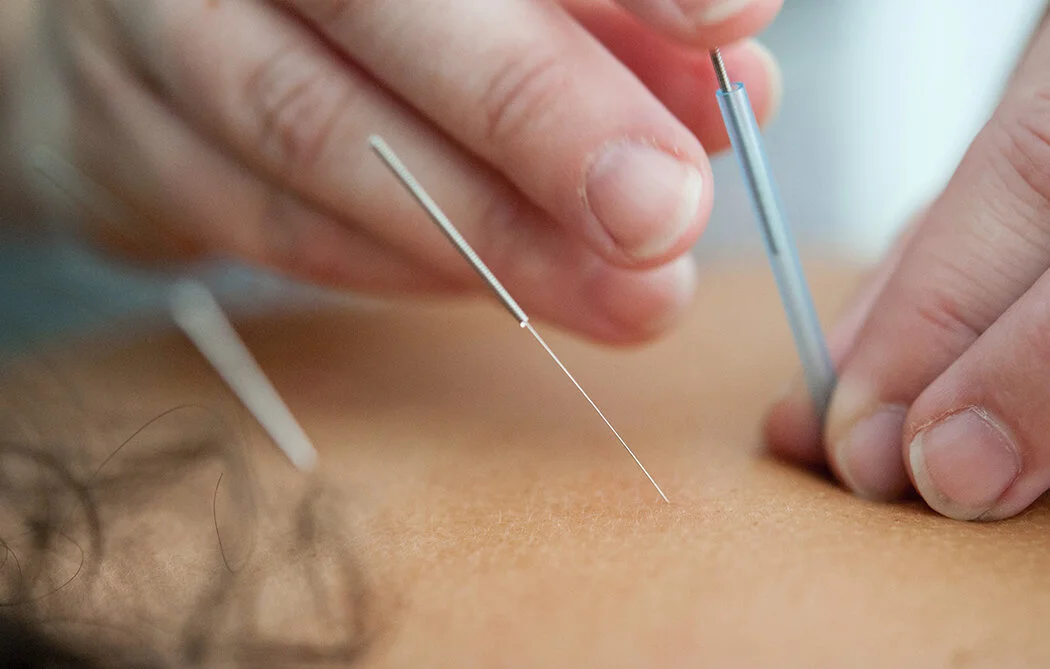
What is Acupuncture and Traditional Chinese Medicine
Traditional Chinese Medicine (TCM) is a self sustaining model of medicine that has been around for more than 3000 years. It is system based, which means that there is a theory that supports it. This is called the 5 element theory. In 5 element theory, each organ system is connected to the other and if something happens to one organ system, the others are affected.
TCM understands a complete model of medicine is not just about needles. There is an understanding of the life component. TCM understands that movement in our lives is important (QI Gong, Tai Qi), that what we take in nutritionally is important ( TCM nutrition theory), that breathing and breathwork (one of the ways to build Qi is via the breath) and meditation/grounding and maintaining a sense of self is important. Traditional Chinese Medicine (TCM) is a regulated profession in British Columbia. TCM is a stand alone modality. This means, that the TCM model is a complete system of medicine, the same as homeopathy.
Solutions for Acute and Chronic Injury and Pain
Acupuncture is used in China during surgery as an effective adjunct to manage pain. Acupuncture is unmatched in it’s ability to manage the pain of acute and chronic injury. Sprain, strain, broken something, taking a long time to heal? Consider acupuncture.
Solutions for Stress and Adrenal Fatigue
For some people, acupuncture has an unmatched ability to relax their body. The depth of tranquility which a session can provide is unmatched. This is valuable to know. We are learning how deadly stress can be and acupuncture can turn out to be a valuable resource for you.
Find out if you are a TCM lover
When we are in crisis, when something happens to your body, it’s good to know what helps. Here’s my invitation: If you haven’t tried Acupuncture yet, consider the experience.
What should I know ahead of time for my Acupuncture appointment?
Don’t arrive hungry: make sure you don’t come to your appointment on an empty stomach. If you are hungry, or sometimes for women who are menstruating, the body can be more sensitive.
Expect to be Draped: depending on what area is to be treated, you may be asked to remove appropriate items of clothing. Wear comfortable loose clothing, and be prepared to be draped in a safe confidential way.
Leave time after the appointment: Some people reach depths of relaxation which they have never experienced before and it is not safe or a good idea to leave the office to drive straight away to your next task. Leave yourself at least 30 minutes after your session before driving.
Don’t overschedule: it is not advised to schedule another body session on the same day as your acupuncture appointment. Your massage therapist, physio appointment or osteopathic appointment can wait. You could overload your body.
Sessions are cumulative: you may be asked to do a series of treatments to achieve the results you want. Acupuncturists often book up to 10 sessions in a row (once or twice weekly, or even daily depending on the severity of the condition). This isn’t my style, I will do a session with you and see how your body responds, and if you are a acupuncture lover then together we will decide about more sessions. If you are dealing with an acute or chronic injury or pain, acupuncture will be given in conjunction with other supportive modalities such as homeopathy and functional medicine.
A word about my Acupuncture designation
I have been a Registered Acupuncturist (R. Ac) and member of the College of Traditional Chinese Medicine Practitioners and Acupuncturists since 2001.
Under the new HPOA Regulations in British Columbia which come into effect on April 1, 2026, I am now covered to practice acupuncture under my ND license and no longer require a second license in British Columbia. Nothing changes for patients in British Columbia except for those who rely solely on acupuncture for billing. I have moved my acupuncture license to Alberta where I now hold the designation of Doctor of Acupuncture (Dr. Ac) in Alberta.