
Join me on the edge of an emerging future
Integrative Personalized Medicine
A whole-person approach to health
My style of practice is similar to the way medicine is practised in Europe. Gentler medicines first, before the strong. And don’t worry, I pull out the strong medicines as needed which are part of my tool kit.
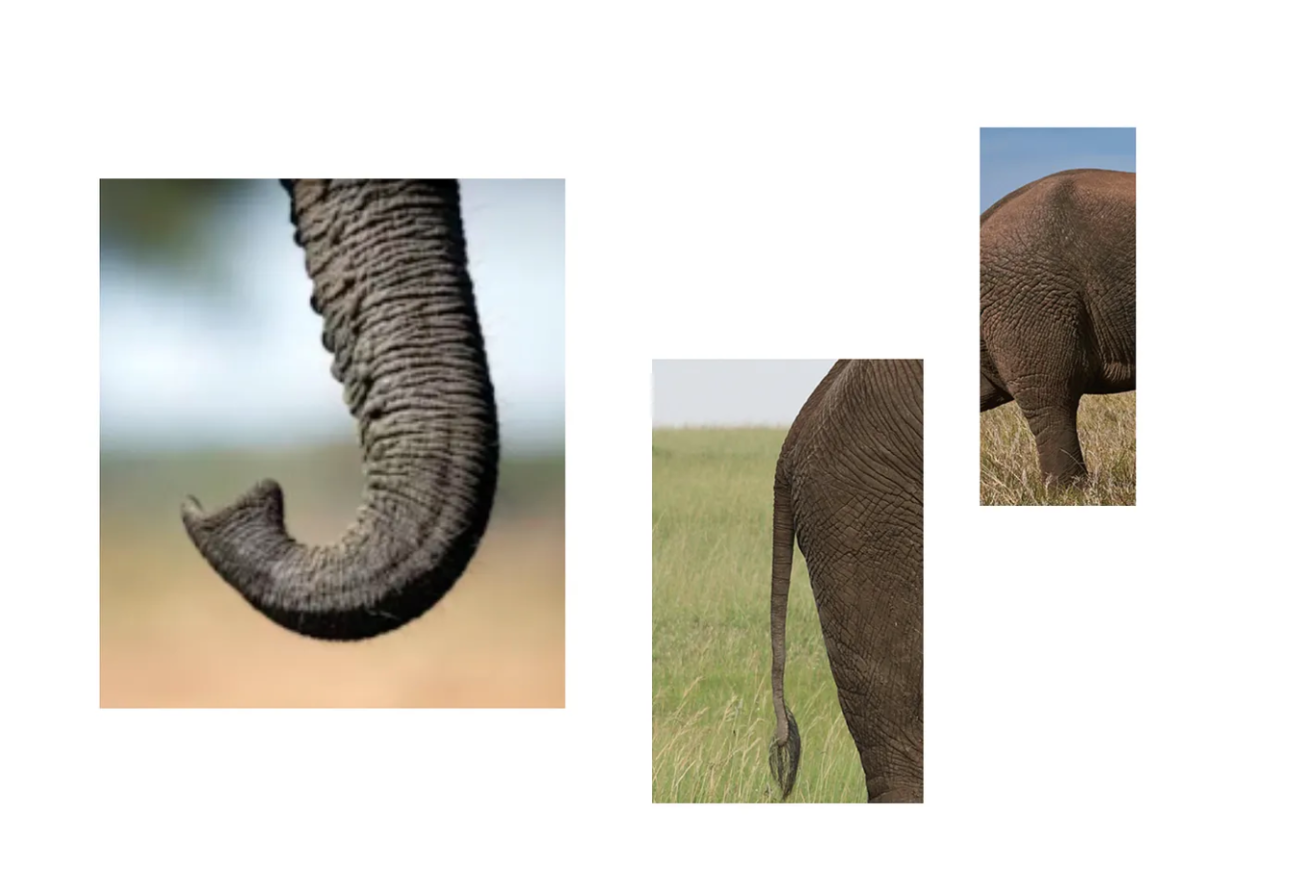
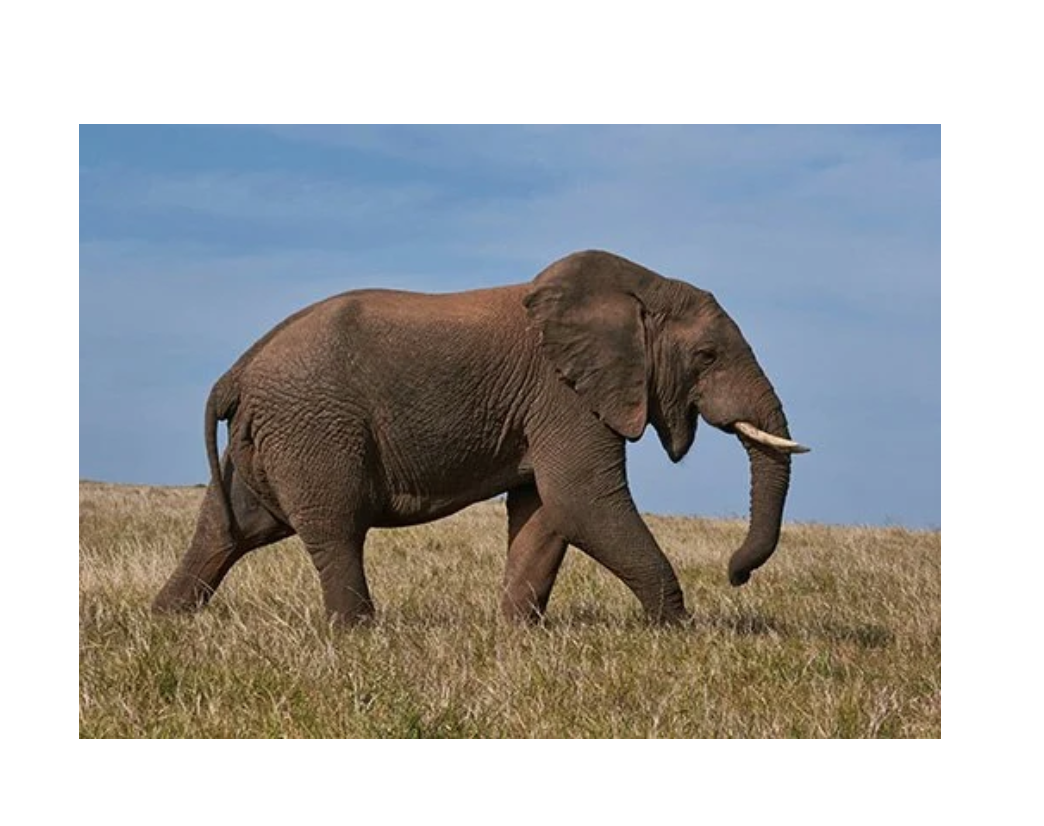
We all know the old story of 3 blind men who were trying to identify an elephant. Each one approached the elephant from a different direction: one came upon the trunk, the second explored the feet and sides and the third felt the tail.
One insisted an elephant was a massive tree-like structure firmly planted on the ground, which widened to the side of a building. The other scoffed, “no, no,” he said, “an elephant is a snake-like being with a tuft of course hair at one end.” “That’s ridiculous!” said the third. “An elephant is a long, thick, undulating animal with two moist orifices at the lower end through which air, food and water are taken in, and often snorted out” he said excitedly.
Were any of them wrong? No, of course not, however their understanding was limited to the part they explored.
In our conventional medicine system, a person is treated in terms of body parts or systems. There are specialists or pillars, each focussing on their part with little communication between them and the possibility the parts work together is missed. Also in the area of psychotherapy, each has their own specialty or style or theory. Each school of thought has their area of interest, each has their own view. It can be competitive, which is especially true when there is any competitive arena of merchandising or sales.
Homeopath Offers Whole Person Healing
Homeopathy treats the whole, and is based on the principle that the mind, body and spirit are connected, that there is no separation. Homeopathy offers a uniquely inclusive and comprehensive vantage point. The homeopath explores all aspects of who you are including emotions, thoughts, fears, hobbies. We explore the unconscious, the dreamstate, the shadow side and the awesome.
In treating the whole, we understand that the mind and the body are connected. Like the yin-yang symbol, what affects the mind, will also affect the body. What affects the body will affect the mind.
Let’s start by making a general broad strokes description of causes of illness and disease. We can say there are two main causes: those that come from the outside and those that come from within. We can categorize them as material causes and psychological causes.
Material Causes
Material causes come from our environment, and include infections from bacteria, viruses, fungi, and parasites. For example: living in a mouldy basement, or having mould in your car etc. Other examples could be: poisoning from pesticides, herbicides, preservatives, dyes, and drugs, as well as exposure to radiation. Accidents, injuries and a lack of oxygen. Side effects of medications. Nutritional deficiencies such as a lack of food, essential vitamins and minerals can also lead to illness.
The importance of lifestyle in health and wellness is a conversation which cannot be avoided. You cannot live in a musty mouldy basement and expect to get better. You cannot work a 100 hour week and not think that stress will take it's toll on you. You cannot be on conventional medications for years without experiencing the (side) effects. A whole-person approach to wellness includes these aspects of health.
Functional medicine, Traditional Chinese medicine and Homeopathy are the ways I choose to approach material causes.
Psychological Causes
The general thinking and philosophy around the causes of chronic disease is that the deep roots of the cause lie buried within our psyche. If we understand the existence of the mind-body connection then we understand that these deep roots manifest on the physical plane.
Cutting off the flower or stems (that’s a metaphor) may make it look and feel better for a while, but this is not permanent healing. True healing lies in deeper exploration and addressing root causes. These root causes are psychological and can result from things such as intergenerational themes and trauma, stress, fear, worry and unresolved problems. Factors often overlooked by conventional medicine.
Homeopathy offers the gift of true healing. With its unique concept, homeopathy captures individually experienced stress patterns and translates them into a suitable remedy from nature. No matter what therapeutic path you take, healing is best achieved when individual disease patterns are understood in depth.
In his book The Myth of Normal, Gabor Maté highlights numerous studies and case histories that confirm the connection between stress, trauma, emotions, and chronic illness.
The challenge as a practitioner is that patients are often unaware of unconscious energy or themes driving their struggles. As a homeopath, the practitioner’s role is to hold space, guide and look for clues to where the stuck energy or sensitivity is.
Integrative Body Psychotherapy and Homeopathy are the ways I choose to explore and heal the deeper psychological aspects of being.
Organon aphorism §77
Those diseases are inappropriately named chronic which persons incur who expose themselves continually to AVOIDABLE noxious influences, who are in the habit of indulging in injurious liquors or aliments, are addicted to dissipation of many kinds which undermine the health, who undergo prolonged abstinence from things that are necessary for the support of life, who reside in unhealthy localities, especially marshy districts, who are housed in cellars or other confined dwellings, who are deprived of exercise or of open air, who ruin their health by over-exertion of body or mind, who live in a constant state of worry, etc. These states of ill-health, which persons bring upon themselves disappear spontaneously, provided no chronic miasm lurks in the body, under an improved mode of living, and they cannot be called chronic diseases.
Dr. Samuel Hahnemann MD, founder of Homeopathy
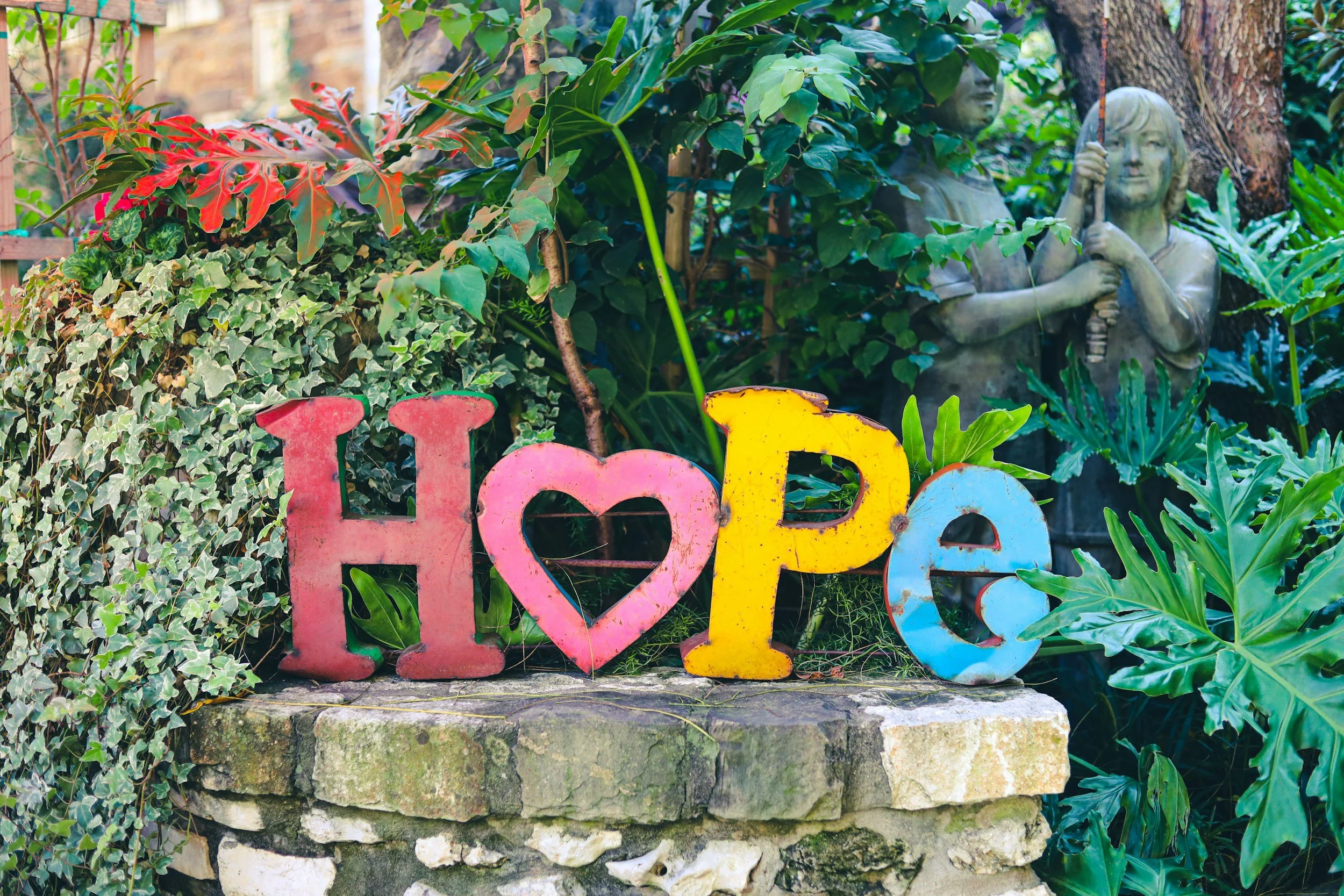
Hope is one of my core values. One of my strengths is holding an umbrella of hope for you. Healing and growth take time and the road is not always easy. If you’ve been struggling, you may have forgotten—or may not even know—that things can get better. Hope is essential for staying motivated on your path, especially when things feel difficult. And we all know that anything worth doing comes with challenges.
Even if you feel like hope is lost for you and your health, I’m here to remind you that there is always something we haven’t tried yet. I will hold space for hope, even when you feel like it’s gone.
I have patients who get what they need after one or two visits. For many, I am the family go to for health concerns, and I am honored to be a part of their lives.
DD